


How Infrastructure Time-Lapse Builds Community Support
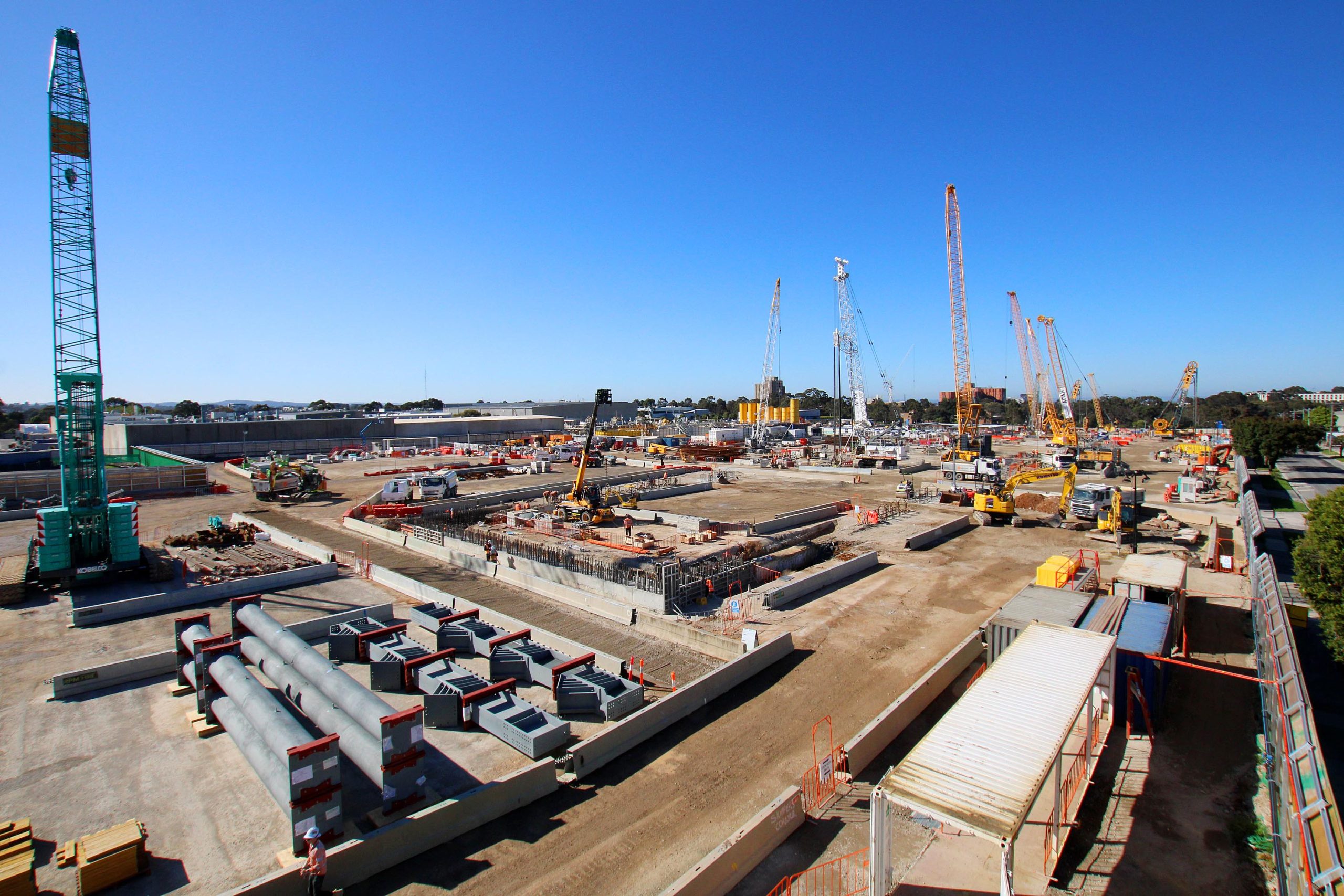
From Disruption to Progress: How Infrastructure Projects Can Use Time-Lapse for Community Engagement
Major infrastructure projects change cities for the better, but building them can disrupt local communities for years.
Residents and businesses deal with road closures, detours, noise, dust and night works. Infrastructure time-lapse for community engagement gives project teams a clear, visual way to show what all that disruption is achieving.
At Capture Point Media, we have seen this first-hand on infrastructure projects. People are generally less frustrated by construction when they can see and understand the progress being made.
Disruption is easier to accept when progress is visible
Construction impacts are often immediate and personal. The benefits may be years away.
For example, the Suburban Rail Loop East between Cheltenham and Box Hill is under construction, with trains expected to run in 2035. Communities near projects of that scale can live alongside construction for a long time.
Project teams already put real effort into keeping people informed. Recent SRL works notices describe working closely with residents, traders and local stakeholders and notifying them in advance of upcoming works.
Written notices explain what will happen and when. Time-lapse adds something they can’t: visual proof of what has been done.
What time-lapse adds to community engagement
Most people never see behind the hoarding. They see trucks entering, cranes rising and traffic changing, but not how the pieces fit together.
Time-lapse can help by showing:
How a site has changed since works began.
The sequence of major construction stages.
The scale of excavation, structures and equipment.
Milestones such as bridge lifts, structural completion or station progress.
Why certain disruptive activities are needed.
A short clip can make complex engineering easy to follow. It also gives the community a reason to stay engaged with the project, not just put up with it.
Use footage throughout the project, not just at the end
Many clients think of time-lapse as a completion video. On infrastructure projects, the footage can be useful at every stage.
Project teams can use approved imagery and clips in:
Community updates and newsletters.
Project websites and social media.
Community reference group and stakeholder meetings.
Internal and government reporting.
Milestone announcements.
Displays at community events.
Choose views that explain the work
A camera for community engagement needs to show work that the public can understand.
A position might be technically convenient but leave the important activity too far away or hidden behind hoarding. On linear projects, one view may not cover everything that matters.
When planning camera positions, consider:
Which milestones the community will care about most.
Whether the view will show progress clearly at each stage.
How temporary works, cranes and structures might block the frame.
Whether wide views, closer views or several cameras are needed.
Whether the strongest position sits on a neighbouring property.
Third-party access can take time to arrange. Finding the right contact and getting permission can take multiple emails and phone calls, so involve your time-lapse provider early.
Plan for approvals and protocols
Infrastructure projects usually have strict communication controls. Before any footage is shared publicly, the project team should agree on:
Who approves images and video for public release.
Which areas, people or activities must not be shown.
How privacy and site security will be protected.
Which channels the footage will be used on.
How often new content will be prepared.
Building these steps in early helps footage reach the community while it is still relevant.
Safety and reliability still come first
Infrastructure sites are highly controlled, and camera installation needs to fit within those controls.
Choose a provider whose team understands site inductions, safe work method statements (SWMS), access controls and working at heights. The system also needs reliable power, connectivity and servicing for the life of the project.
A community engagement program depends on consistent footage. Missed stages can’t be recaptured.
Start before construction begins
The best results come from planning time-lapse before construction starts and running it through to completion.
That gives the project a complete visual record, from early works to opening day. It also means engagement teams have content ready for every major milestone.
If you are planning an infrastructure project, speak with Capture Point Media before site works begin. We can help identify viewpoints, access requirements and coverage that support both project delivery and community engagement.